Recycling and Sustainability for Landscaping Rotherhithe
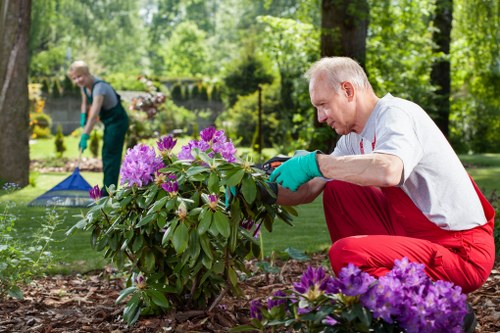 Landscaping Rotherhithe increasingly depends on practical sustainability choices that reduce waste, conserve resources, and support cleaner local environments. From the first site visit to the final tidy-up, every step in Rotherhithe landscaping can be planned with recycling in mind. That means separating green waste, reusing materials where possible, and choosing supply chains that keep discarded items out of landfill. A clear recycling percentage target helps measure progress, and many teams now aim for an 80% or higher diversion rate across everyday landscaping operations. In a busy riverside district, where space is limited and logistics matter, thoughtful waste handling makes a real difference.
For landscaping in Rotherhithe, sustainability begins with sorting. Soil, turf, branches, old timber, plastic packaging, and hardscape offcuts can often be separated into different waste streams. This approach aligns well with the broader borough-wide emphasis on waste separation, where residents and businesses are encouraged to distinguish recyclables from general refuse. In practical terms, that can mean keeping clean cardboard apart from green waste, removing metal fixings before timber reuse, and ensuring rubble or broken paving is handled through the appropriate recycling route. These small choices support a more circular way of working and help make landscaping Rotherhithe less resource-intensive.
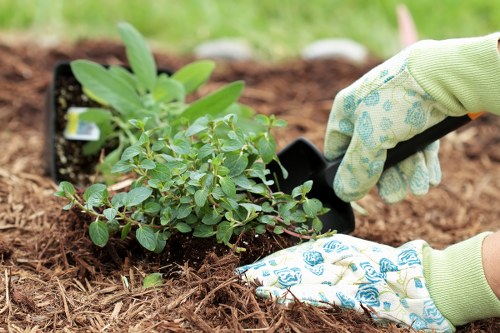 Another important part of greener site management is using local transfer stations effectively. By routing waste through nearby facilities rather than sending mixed loads on long journeys, Rotherhithe landscaping services can cut transport emissions and improve sorting rates. Transfer stations provide a practical way to consolidate material, separate recyclables, and send each stream to the correct end destination. For landscaping projects, this is especially useful when dealing with mixed loads that may include green waste, aggregates, metals, and packaging. Working with local facilities supports quicker turnaround times and a more efficient recycling workflow.
Partnerships with charities are another key element of sustainable landscaping in Rotherhithe. Usable plant pots, bricks, sleepers, topsoil containers, and surplus decorative materials can sometimes be passed on rather than discarded. By collaborating with charities, community gardens, and reuse organisations, landscaping Rotherhithe teams can extend the life of good materials and benefit local causes at the same time. Items that are still safe and functional may be repurposed for growing spaces, community projects, or repair initiatives. This kind of reuse is especially valuable in urban areas, where every recovered item represents less waste and more social value.
In addition to material recovery, many teams now prioritise low-carbon vans for short-distance transport and routine collections. These vehicles help reduce emissions linked to moving tools, plants, and waste between locations. For Rotherhithe landscaping, where jobs may be spread across compact streets and mixed residential areas, efficient vans with lower tailpipe emissions can support cleaner air and quieter operations. When paired with careful route planning, fewer unnecessary trips, and consolidated collections, low-carbon vehicles become a practical part of a broader sustainability strategy. They also reflect a more modern approach to managing green services in a densely populated district.
 Sustainable practices also extend to the handling of organic waste. Grass cuttings, hedge trimmings, leaves, and pruning debris can often be recycled into compost or mulch through appropriate green-waste channels. This is especially relevant for landscaping in Rotherhithe, where planting schemes and maintenance work can generate regular organic material. Rather than treating these leftovers as rubbish, they can be returned to the soil cycle through composting and soil conditioning. That supports healthier planting, reduces the need for virgin materials, and keeps valuable biomass in use. It is a simple but effective way to make landscaping Rotherhithe more sustainable from the ground up.
Hard landscaping waste can also be managed more intelligently. Broken paving, old concrete, bricks, and stone offcuts can often be crushed or sorted for reuse in sub-base applications, depending on quality and local processing rules. Metal fixtures such as fencing components or fixings can be recycled through metal recovery streams. Even untreated timber may be suitable for reuse or specialist recycling if it is free from contamination. For Rotherhithe landscaping, this kind of material awareness reduces landfill pressure and helps conserve raw resources. It also supports a cleaner, more disciplined site culture where waste is viewed as a resource waiting for the right route.
Packaging is another area where better habits make a measurable difference. Many landscaping supplies arrive in plastic wrap, bags, tubs, and cartons, and these should be separated wherever possible. Clear site procedures can help teams keep clean packaging away from soil-contaminated waste, which improves recycling outcomes. In boroughs with strong waste separation expectations, this attention to sorting is especially useful because it prevents otherwise recoverable materials from being downgraded. For landscaping Rotherhithe, the goal is not just to remove waste quickly, but to remove it responsibly, with each material directed to the most suitable recycling process.
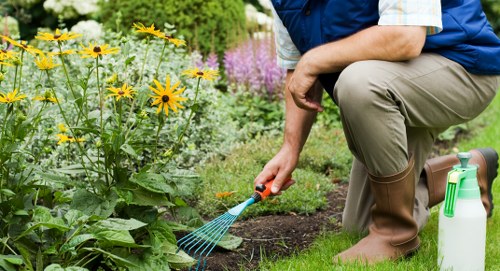 The wider sustainability picture also includes purchasing decisions. Choosing durable tools, refillable products, peat-free compost, FSC-certified timber, and native or climate-resilient plants can reduce waste over the full life of a project. When these choices are combined with efficient collection systems and recycling targets, landscaping in Rotherhithe becomes more resilient and more environmentally responsible. A clear commitment to reduce, reuse, and recycle helps teams deliver attractive outdoor spaces while keeping environmental impact in check. In a place shaped by both heritage and regeneration, that balance is increasingly important.
 To finish, recycling and sustainability in Landscaping Rotherhithe is about consistency, not just one-off initiatives. Setting an ambitious recycling percentage target, using local transfer stations, building partnerships with charities, and deploying low-carbon vans all work together to create a better system. Add in careful waste separation, green-waste recycling, and the reuse of suitable hardscape materials, and the result is a practical model for environmentally aware landscaping. For a riverside area with active streets, varied properties, and growing demand for greener spaces, these choices support cleaner outcomes and a more circular local economy.