Garden design and build in Rotherhithe
If you are looking for garden design and build in Rotherhithe, you may already know that outdoor spaces in this part of South East London need a practical, well-planned approach. Rotherhithe has a mix of riverside flats, converted warehouses, modern apartment buildings, townhouses, mews-style homes, and compact terraced properties. That variety is one reason a tailored garden service matters so much here. A great garden is not just about planting a few shrubs; it is about making the most of every square metre, solving access issues, choosing materials that suit local conditions, and creating an outdoor space that genuinely works for daily life.
Whether you want a small courtyard transformed into a calm retreat, a family-friendly garden that feels durable and easy to maintain, or a smart outdoor area for a commercial property, a local team can help shape the whole process from first ideas through to the finished build. In Rotherhithe, outdoor projects often need careful planning because of limited side access, basement levels, shared boundaries, paved areas, and the challenges of working around neighbouring homes and businesses. That is why many customers prefer a service that combines landscape design, construction knowledge, and a practical understanding of local properties.
Our approach is straightforward: listen to what you need, assess the space properly, and create a garden that suits your property, your lifestyle, and the way you use outdoor space in everyday life. If you are thinking about a full redesign or a focused upgrade, contact us today to discuss your project and request a free quote.
Why garden design and build suits Rotherhithe properties
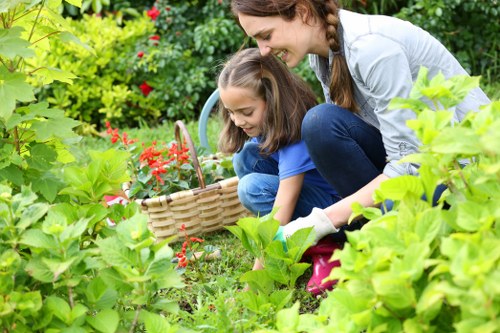
Rotherhithe is a distinctive part of London, and its gardens often require more than a standard one-size-fits-all solution. Many homes here have compact outside spaces, awkward shapes, split levels, or hard landscaping that has aged over time. Some properties have no rear access, while others sit in shared developments where work has to be handled neatly and with minimal disruption. A local garden design and build service is useful because it can respond to these conditions with realistic planning and careful delivery.
For homeowners, that might mean turning a shaded courtyard into a brighter, more inviting place to relax. For landlords, it could involve upgrading a tired outdoor area to make the property more attractive and easier to maintain. For businesses, schools, hospitality venues, and managed buildings, it may mean creating a tidy, welcoming exterior that is safe, durable, and appropriate for regular use. In every case, the aim is the same: to make the space look better, function better, and feel more connected to the property.
Local knowledge matters because Rotherhithe is not a place where every job can be approached in the same way. Nearby streets, riverside developments, and mixed-use buildings can all influence what is possible. Access may be tight, parking may be limited, and materials may need to be moved carefully through shared corridors or narrow side routes. A team that understands these realities can plan the build more efficiently and help avoid unnecessary delays.
Common local garden challenges
- Compact plots that need clever space planning
- Limited side or rear access for materials and waste removal
- Shaded gardens near taller buildings or boundary walls
- Drainage concerns on paved or low-lying areas
- Shared boundaries and privacy needs in close-knit residential settings
- Hard-wearing finishes needed for rental, commercial, or high-use spaces
What is included in a garden design and build service

A well-managed project should cover both the creative and practical sides of outdoor improvement. When people enquire about garden design and build in Rotherhithe, they are often looking for a service that takes them from vague ideas to a finished garden without having to coordinate multiple trades themselves. That can include layout planning, planting choices, hard landscaping, structure, lighting, and finishing details.
Depending on the size and condition of your space, the service may include everything from clearing an overgrown area to building a complete new garden layout. It may also include advice on materials that suit London conditions, such as weather-resistant paving, durable timber, composite decking, low-maintenance borders, or modern screening that gives privacy without making the space feel closed in. A good design should not only look attractive on paper; it should also work in real life, through all seasons, with realistic upkeep.
In practical terms, a full garden design and build package often combines creative planning with construction work such as paving, decking, turfing, fencing, retaining features, steps, planters, and soft landscaping. The balance between design and build is important. If the layout is attractive but hard to maintain, it will quickly lose its appeal. If the build is solid but the design feels rushed, the outdoor area may never feel truly usable. The best results come from joining both parts together from the start.
Typical elements included
- Initial site assessment and project discussion
- Measured layout ideas and practical design recommendations
- Ground preparation and clearance
- Hard landscaping, including paving, decking, edging, and steps
- Fencing, screens, pergolas, or other boundary features
- Planting plans suited to shade, sun, and maintenance preferences
- Lawn installation or alternatives such as gravel, artificial turf, or planted surfaces
- Lighting and finishing details where required
Every project is different, and that is especially true in a place as varied as Rotherhithe. Some customers want a clean, contemporary finish with minimal planting. Others want a lush, soft garden with layered beds and seasonal interest. The right service should be flexible enough to reflect your taste and your property.
Designing for homes, flats, and commercial spaces in Rotherhithe
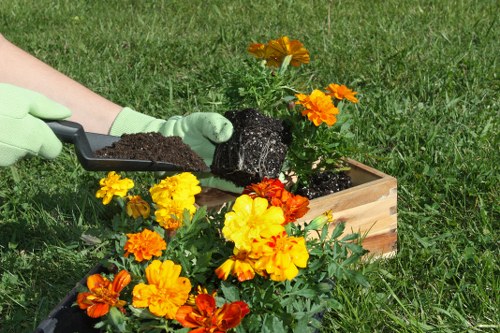
Rotherhithe is home to a wide mix of property types, and each one brings different design opportunities. A riverside apartment terrace may need lightweight, low-maintenance features that are safe and stylish. A family house might need a flexible layout that balances play space, seating, storage, and planting. A shared courtyard in a development may need a durable and tidy finish that looks good with minimal intervention. Commercial customers often need outdoor areas that make a positive first impression while remaining robust enough for regular use.
For residential clients, the focus is often on comfort, privacy, and ease of use. Many customers want a garden that feels like an extension of the home, with space for dining, entertaining, or quiet relaxation. In smaller Rotherhithe gardens, careful zoning can make a surprising difference. For example, a seating area at one end, raised planters along the boundary, and a well-chosen surface in the middle can make a narrow outdoor space feel more balanced and inviting.
For commercial customers, the priorities may be different. A business may want a reception courtyard, a staff breakout area, an external seating zone, or a tidy frontage that enhances the premises. Property managers and landlords may also need practical solutions that reduce maintenance while improving appearance. In all these cases, the design has to be both attractive and workable, with materials selected for durability, safety, and long-term value.
Examples of local project types
- Courtyard redesigns for flats and maisonettes
- Family gardens with lawn, paving, and planting zones
- Riverside terraces with privacy screens and container planting
- Shared communal spaces for residential developments
- Commercial frontages and outdoor seating areas
- Low-maintenance rental property garden refreshes
Design should reflect the way the space is actually used. That means thinking about where the sun falls, how people move through the garden, what storage is needed, and how to keep the final result looking good with sensible upkeep.
The process: from first visit to finished garden
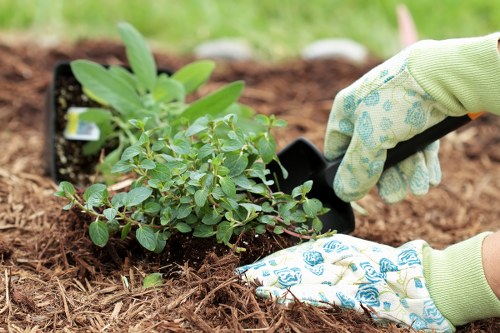
When you book a garden design and build project, a structured process helps keep everything clear and manageable. Customers in Rotherhithe often appreciate knowing what will happen next, especially where access is tight or where work needs to be coordinated around neighbours, building rules, or business operations. The exact process will vary by project, but a reliable service usually follows a simple, transparent sequence.
The first step is usually a site visit or consultation to understand the space, discuss your ideas, and identify any practical issues. After that, the design stage turns your requirements into a workable plan. This might be a simple layout discussion or a more detailed visual concept, depending on the scope of the work. Once the direction is agreed, the build stage can begin, with preparation, installation, and finishing carried out in a logical order.
Good communication is essential throughout. You should know what is being done, what materials are being used, and how the project is progressing. In compact urban gardens, tidy working practices also matter. That includes protecting surrounding areas, managing waste responsibly, and keeping disruption to a minimum where possible. A local team familiar with South East London conditions is usually better placed to plan around these realities.
Typical project stages
- Initial consultation — discuss goals, style, use, and budget considerations
- Site assessment — measure the space and identify access, drainage, and boundary issues
- Design development — create a layout that works for the property and the customer’s priorities
- Material selection — choose paving, timber, planting, and finishing features
- Preparation and clearance — remove old materials, level ground, and prepare sub-bases
- Construction and installation — build the key features of the garden
- Planting and finishing — add the final soft landscaping and detail work
- Handover and aftercare advice — explain how to look after the finished space
For many customers, this staged approach is what makes the service feel manageable. Instead of trying to coordinate separate contractors, you can rely on one team to handle the full garden transformation from concept to completion.
Material choices and style ideas that work well locally
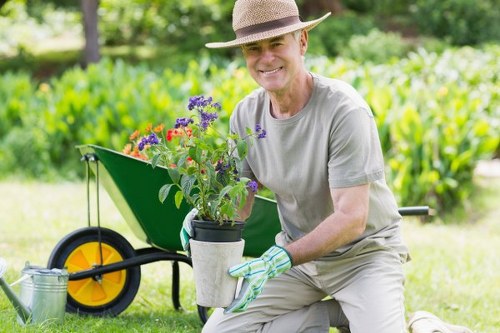
Choosing the right materials is one of the most important parts of any outdoor project. In Rotherhithe, where many gardens are compact and exposed to everyday urban use, the finish needs to be attractive but also sensible. The best choices are often those that suit the building style, the amount of sunlight available, and the level of maintenance the customer wants to take on.
For modern apartments and riverside developments, clean lines, neutral paving, structured planting, and subtle lighting can create a contemporary look. For period homes and older terraces, softer planting, classic paving, and natural textures may feel more appropriate. In some gardens, a mix of materials works best: for example, porcelain or stone paving for a main seating area, timber or composite decking for raised sections, and planted borders to soften the edges.
Planting should also be chosen carefully. Not every garden in Rotherhithe gets full sun, so shade-tolerant plants may be needed under trees, beside tall buildings, or in enclosed courtyards. On brighter plots, drought-tolerant species and layered planting can reduce maintenance while still creating colour and texture. A well-planned planting scheme can give the garden structure in winter and interest through spring, summer, and autumn.
Popular design features
- Raised planters for structure and easier maintenance
- Vertical screening for privacy in overlooked spaces
- Lighting for evening use and added atmosphere
- Integrated seating for compact gardens
- Paths and stepping stones to improve movement through the space
- Water features or decorative focal points where suitable
- Low-maintenance planting for busy households
Style is important, but usability is what makes a garden successful over time. The right design should still feel good after years of weather, daily use, and seasonal change.
Benefits of choosing a local Rotherhithe garden team
Working with a local company brings practical advantages that customers often value as soon as the project begins. A team that regularly works in and around Rotherhithe is more likely to understand the area’s access limitations, parking restrictions, building layouts, and the kinds of garden spaces common in the neighbourhood. That local familiarity can make planning smoother and help the build run more efficiently.
Another benefit is realistic advice. A local team is in a better position to suggest ideas that suit the property and the surrounding environment. That might mean using robust finishes for a busy family home, choosing low-maintenance planting for a rental property, or recommending a layout that makes the most of a small courtyard. Local experience can also help with timing, coordination, and logistics on tightly packed streets and shared developments.
Customers in nearby areas such as Bermondsey, Canada Water, Surrey Quays, Wapping, and Deptford may have similar property types and access considerations. A team used to working across this part of London is often better prepared to deal with narrow routes, limited loading space, and the need to keep neighbours and other residents in mind during the works. If you are comparing providers, this local understanding can be a deciding factor.
Why local knowledge matters
- Better understanding of property styles and outdoor layouts
- More practical planning for access, waste removal, and deliveries
- Suitable material choices for busy urban environments
- Awareness of common issues such as shade, privacy, and drainage
- More efficient communication during the project
- Solutions tailored to residential, rental, and commercial needs
What affects the cost of garden design and build
People often want to know what influences the cost of a garden project before they commit. While exact pricing depends on the individual job, there are several common factors that affect the overall scope. Understanding them can help you plan more confidently and decide which features matter most for your space.
The size of the garden is one obvious factor, but it is not the only one. Access can make a big difference, especially in Rotherhithe where some properties are difficult to reach with materials or machinery. The amount of preparation required also matters. If old paving needs removing, levels need adjusting, or drainage needs improving, that will increase the labour involved. Material choice is another factor, as different paving, timber, fencing, and planting options vary in cost and installation complexity.
Complexity also plays a role. A simple refresh may be relatively straightforward, while a full redesign with retaining walls, steps, lighting, and multiple zones takes more time and planning. If you are trying to manage a budget, it can help to prioritise the elements that make the biggest difference first and phase additional features later. A good designer can help you think that through without pushing unnecessary extras.
Pricing factors to consider
- Garden size and overall layout
- Existing condition and clearance requirements
- Access for materials, tools, and waste removal
- Chosen surfaces and construction materials
- Planting level and finish detail
- Drainage, levelling, and groundwork needs
- Any structural features such as steps, screens, or raised beds
- Whether the project is residential or commercial
Requesting a quote is the best way to understand what your project involves. A proper quotation should reflect the real conditions on site, not just a rough guess.
How to prepare for your garden project
There are a few simple steps you can take to make the process smoother before work begins. Preparation does not need to be complicated, but it helps the project start well and can reduce delays. If your garden is busy with stored items, furniture, bins, planters, or bikes, clearing the space in advance can make a real difference. If there are pets, children’s equipment, or shared access arrangements, it is worth thinking through those practical details early.
It can also be helpful to gather a few reference ideas about the kind of feel you want. You do not need a full design brief, but having an idea of whether you prefer modern, natural, low-maintenance, family-friendly, or wildlife-friendly features can help the discussion. If there are features you dislike in your current garden, mention those too. Sometimes knowing what should be removed or avoided is just as useful as knowing what to add.
For commercial customers, preparation may involve coordinating access times, informing staff or residents, and confirming any site rules that need to be followed. The clearer the arrangements are at the beginning, the easier it is to complete the work efficiently and neatly.
Preparation checklist
- Clear personal items and movable furniture from the garden
- Think about the main uses for the finished space
- Decide what matters most: low maintenance, privacy, entertaining, play, or planting
- Note any access limitations or building rules
- Check whether pets or children need temporary alternatives during works
- Share any inspiration, materials, or styles you prefer
- Raise any drainage, shade, or privacy concerns early
Frequently asked questions
Do I need a full redesign, or can part of my garden be improved?
You do not always need a complete overhaul. Many Rotherhithe customers choose a partial redesign, such as replacing tired paving, improving planting, adding screening, or creating a better seating area. A phased approach can be a sensible way to improve the garden while keeping the project manageable.
Can you work with small courtyards and tight access spaces?
Yes. Small gardens and difficult access are common in this part of London. Careful planning, sensible material choices, and tidy working methods can make even compact spaces feel much more usable. Access is assessed at the start so the build can be organised properly.
What if my garden has poor light?
Shady gardens are very common near taller buildings and enclosed boundaries. That does not mean the space cannot look good. A design can include shade-tolerant planting, reflective surfaces, lighter materials, and layout choices that help the area feel brighter and more open.
Can you help with low-maintenance options?
Absolutely. Many customers want a garden that looks neat without requiring constant upkeep. Low-maintenance options may include durable paving, structured planting, simplified borders, edging, and materials chosen for easy care.
Do you work on commercial outdoor spaces as well as homes?
Yes. Commercial customers, property managers, and landlords often need practical outdoor areas that look professional and remain easy to look after. The design can be adjusted to suit the building, usage level, and site requirements.
How do I get started?
The simplest first step is to request a free quote and talk through your ideas. From there, the project can be assessed properly and shaped around your priorities, budget, and the conditions of the site.
Areas covered around Rotherhithe
Local garden services are often most useful when they cover the surrounding neighbourhoods as well as the main area itself. If you are based in or near Rotherhithe, nearby locations can include Surrey Quays, Canada Water, Bermondsey, Wapping, Deptford, South Bermondsey, and parts of Docklands. These areas often share similar outdoor challenges: compact plots, modern developments, mixed property styles, and the need for tidy, efficient work.
Whether your property is a private home, a flat, a shared residential development, or a commercial premises, a local garden team can adapt the service to the practical realities of your site. That is especially useful when access is limited or when the final result needs to suit the surrounding architecture and community.
Choose a garden that works for how you live
A well-designed garden should feel like a natural extension of your home or business. It should be attractive, practical, and suited to the way you want to use it. In a place like Rotherhithe, that usually means making smart decisions about layout, materials, planting, and access. The best results come from combining imagination with real-world construction know-how.
If your outside space feels underused, overgrown, awkward, or simply outdated, now is a good time to explore what is possible. A fresh design can improve privacy, create better flow, make maintenance easier, and turn a forgotten area into one of the most enjoyable parts of your property. Whether you want a quiet escape, a family-friendly layout, or a polished commercial exterior, the right team can help bring the idea to life.
Book your service now or contact us today to discuss your garden design and build plans in Rotherhithe. If you are ready to transform your outdoor space, request a free quote and take the first step toward a garden that truly suits your property.