Composite decking in Rotherhithe
If you’re looking for composite decking in Rotherhithe, you’re likely after a practical outdoor space that looks smart, handles busy everyday use, and stays easier to live with than traditional timber. In a riverside area like Rotherhithe, where homes range from converted warehouse-style properties and modern flats to family houses and mixed-use developments, outdoor areas often need a solution that is attractive, durable, and suited to compact urban living. Composite decking is a strong fit for that kind of setting because it brings together the appearance of timber with low-maintenance materials designed for real life.
Whether you want to improve a private garden, a roof terrace, a courtyard, a balcony-style platform, or a communal outdoor area for a residential block, a well-planned decking installation can make the space feel more usable all year round. Many local customers ask for decking that works well around drainage, awkward boundaries, shared access, and limited installation space. That is where an experienced local team can make a real difference, from helping you choose the right boards and subframe through to managing finishing details that matter in London conditions.
Our approach to composite deck installation in Rotherhithe is focused on creating a finished area that feels clean, safe, and suited to your property. If you are comparing materials, thinking about replacing old timber boards, or planning a brand-new outdoor area, this page explains what is involved, what affects cost, how the work is carried out, and why local knowledge is important. Contact us today if you want to talk through your project and request a free quote.
Why composite decking suits Rotherhithe properties

Rotherhithe has a distinctive mix of homes and commercial spaces, and that variety is one reason composite decking has become such a popular choice locally. Properties close to the river often deal with exposure to wind and moisture, while urban homes and apartment buildings may have limited outdoor space that needs to work hard without demanding constant maintenance. Composite decking is designed to hold up well in those conditions, making it a sensible option for homeowners, landlords, managing agents, and businesses alike.
Unlike untreated timber, composite boards are manufactured to offer better resistance to common outdoor issues such as splintering, rot, insect damage, and frequent repainting or staining. That does not mean they are completely maintenance-free, but they are generally much easier to keep looking presentable. For busy customers in and around Rotherhithe, that can be a major benefit. You can enjoy your outdoor area without giving up weekends to sanding, sealing, or replacing worn boards every few years.
There is also a visual advantage. Composite decking comes in a range of finishes and colours that can complement brick, render, metal railings, and contemporary glazing often seen in local developments. If you want a warm natural look, a sleek grey tone, or something that blends with existing landscaping, the right board choice can make the outdoor area feel considered and well integrated with the rest of the property.
What we offer for composite decking projects
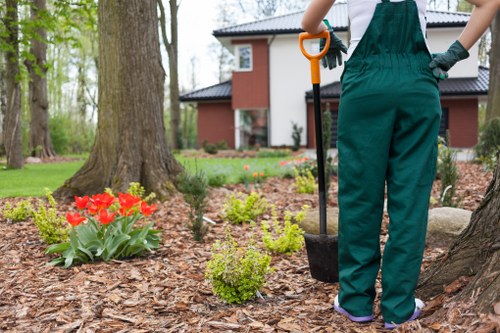
When customers enquire about decking installation, they are often looking for more than just boards fitted across a frame. A proper service should cover planning, preparation, structure, finish, and practical usability. In many cases, we can help with replacing an existing deck, installing a new composite structure from scratch, or improving a tired outdoor area so it feels safer and more usable.
Typical decking services may include:
- Site assessment and layout planning
- Advice on board style, colour, and profile
- Removal of old timber or damaged decking
- Ground preparation and subframe installation
- Composite board fitting and edging
- Steps, transitions, and ramped sections where needed
- Finishing around drainage, planters, fences, and doors
- Balcony or terrace adaptations where access allows
Composite decking in Rotherhithe is often requested for spaces that need to feel more inviting without creating extra upkeep. That can be especially important for rental homes, shared communal areas, and commercial spaces such as cafés, offices, or hospitality venues that want a polished outdoor zone for customers or staff.
We can also discuss practical details that matter in local installations, such as board direction, trim choices, anti-slip options, and how the design will work with existing levels. A good result depends on the deck being useful as well as attractive, so we always aim to balance appearance with long-term performance.
How the installation process usually works

Every property is different, but a typical composite decking project follows a clear process. This helps keep the work organised and gives you a better idea of what to expect from the first enquiry through to the finished deck. In a built-up area like Rotherhithe, careful planning is especially important because access, parking, shared entrances, and noise considerations may affect how the work is carried out.
The process often starts with an initial discussion about your goals. You might want a family-friendly space for seating and outdoor dining, a low-maintenance replacement for rotting timber, or a tidy platform to make a courtyard more functional. Once the intended use is clear, the next step is usually a site visit so the area can be measured and assessed properly. This allows the installer to identify uneven ground, drainage issues, access limitations, and any preparation needed before fitting begins.
After that, the design and specification are agreed. This includes the deck layout, chosen composite board, frame structure, and any accessories such as trims or steps. Once the materials are ready, the installation can begin. In practical terms, this often means preparing the base, building the supporting structure, fixing the boards with the correct spacing, and completing finishing details so the deck looks neat and functions properly.
Typical stages of a project
- Initial enquiry and discussion
- Site inspection and measurements
- Design and material selection
- Preparation and removal of existing materials if needed
- Subframe installation and levelling
- Composite board fitting
- Trimming, edging, and final checks
This structured approach helps ensure that the final result is stable, visually consistent, and practical for daily use. If you are comparing providers, it is worth asking how they handle the substrate, fixings, ventilation, and finishing work, because these details affect both appearance and durability.
What makes local knowledge important in Rotherhithe

Choosing a local company for decking work can make the whole experience smoother. Rotherhithe is not a one-size-fits-all area; it includes waterside developments, older streets, apartment blocks, and properties with varied access arrangements. A team that understands the locality is better prepared for the practical challenges that come with working in this part of London, especially where parking is limited, loading space is restricted, or materials need to be brought through shared entrances or compact access routes.
Local experience also matters when dealing with the surrounding environment. Outdoor structures near the river or in exposed urban settings may face more wind, moisture, and general wear than a sheltered suburban garden. That affects decisions about board choice, subframe materials, drainage, and fixing methods. A properly installed composite deck should be built with these conditions in mind rather than treated as a generic flat surface.
Another reason local relevance matters is the variety of property types. A deck for a ground-floor flat courtyard needs a different approach from a raised terrace, a family garden, or a communal seating area outside a business. If the space is part of a block or managed development, there may also be practical considerations around noise, access times, materials handling, and keeping the area tidy throughout the work. A local installer used to working in and around Rotherhithe is more likely to plan efficiently and keep disruption to a minimum.
Examples of local situations we often help with
- Small garden spaces that need to feel larger and more usable
- Raised deck areas for split-level patios or terrace access
- Replacement of old timber boards on a worn outdoor platform
- Communal seating or break areas for residential and commercial clients
- Projects where materials must be carried through narrow or shared access points
Benefits of choosing composite over timber

Customers often begin by comparing composite decking with traditional timber. Timber still has its place, especially for those who want a very natural material and are prepared for ongoing upkeep. However, many Rotherhithe property owners prefer composite because it offers a more convenient balance of appearance and performance for modern living.
Some of the main benefits include:
- Reduced maintenance – no regular staining or painting like many timber decks require.
- Consistent appearance – composite boards tend to stay more uniform in colour and finish.
- Improved durability – boards are made to withstand outdoor use and changing weather.
- Comfort underfoot – a properly chosen board can feel pleasant and secure under everyday use.
- Safer finish options – many products are designed with textured surfaces that help with grip.
- Versatile styling – useful for contemporary terraces, classic gardens, and mixed-use spaces.
Composite is especially appealing if you want a deck that looks presentable without needing ongoing intervention. That matters for busy households, landlords, and commercial premises where the outdoor area should stay smart with minimal disruption. It can also be a strong investment for buyers preparing a property for sale or rental, because a polished outdoor area can improve the overall impression of the space.
When discussing materials, it is worth looking beyond colour alone. Board thickness, finish, warranty terms from the manufacturer, and how the deck will be supported all influence the final result. A deck that is visually appealing but poorly installed will not perform well for long. That is why a professional fitting service should always focus on structure as well as surface.
Where composite decking works well
One of the reasons people request composite decking in Rotherhithe is that it adapts well to a wide range of settings. You do not need a large garden to benefit from it. In fact, some of the best results come from smaller spaces that need a little design thinking to become genuinely useful.
Popular locations for decking include:
- Private back gardens
- Courtyards and enclosed outdoor spaces
- Terraces and roof-level areas
- Balcony extensions where the structure and access allow
- Communal areas for apartment buildings
- Outdoor seating areas for cafés, bars, and offices
- Front or side access spaces that need a cleaner finish
In a place like Rotherhithe, where outdoor area often comes at a premium, a well-designed deck can transform how a property is used. A level platform can help define a seating area, make it easier to place planters or furniture, and create a cleaner transition between indoor and outdoor living. For commercial customers, it can also improve presentation and help create a welcoming first impression.
Design ideas that work particularly well locally
- Light grey boards for a modern riverside feel
- Warm wood-effect finishes to soften brick and steel surroundings
- Subtle border detailing to make compact spaces feel more tailored
- Integrated steps or level changes for split terraces
- Clean edging around planting areas and seating zones
Good design is not about adding unnecessary features. It is about making the most of the space you already have so it feels practical, comfortable, and attractive throughout the year.
What affects the price of a composite decking project?
Every decking project is priced according to the specific details of the job rather than a one-size-fits-all figure. That is because the materials, access, site condition, and design all influence how much work is involved. If you are planning a deck in Rotherhithe, asking for a tailored quote is the best way to understand your options clearly.
Common pricing factors include:
- Size of the deck area
- Choice of composite board and finish
- Condition of the existing surface or ground
- Whether old decking needs removing first
- Complexity of the shape or layout
- Need for steps, rails, trims, or other extras
- Access for delivery and installation
- Subframe requirements and levelling work
For example, a simple rectangular deck on a prepared base will usually be more straightforward than a raised multi-level platform with steps and detailed edging. Access can also affect labour time. In dense residential streets or managed developments, the time needed to move materials safely may be greater than on an open-access property. That does not make the job difficult, but it does mean a realistic assessment is important from the start.
When you request a quote, it helps to mention what you already know about the space. If there is old decking in place, if the surface is uneven, if the property has limited access, or if the deck needs to suit a specific use such as outdoor dining or tenant-friendly communal seating, those details can help the installer prepare a more accurate proposal.
Preparation checklist before work starts
Good preparation makes installation smoother and helps avoid delays. If you are arranging composite decking in Rotherhithe, a little planning in advance can make the process much easier for everyone involved. This is especially useful where space is tight or where the property has shared access.
Helpful preparation steps
- Clear furniture, pots, and loose items from the work area where possible.
- Let the installer know about access codes, gated entry, or shared hallways in advance.
- Check whether parking or loading restrictions apply near the property.
- Identify any pets, children, or vulnerable residents who may need the area kept separate during work.
- Point out drains, service covers, cables, or other features that must remain accessible.
- Discuss whether any old materials need to be removed and where waste can be stored safely.
- Confirm any rules from a managing agent, landlord, or building representative if the work is in a communal setting.
It is also useful to think about how you want to use the space after the deck is installed. If you plan to add seating, a dining table, raised planters, or storage, that can influence layout decisions. A well-planned deck should feel convenient from day one, not just look good in photographs.
Tip: If you are replacing existing boards, take a moment to consider whether the old layout actually works for you. Sometimes a better deck arrangement is possible even within the same footprint, especially if the old design was fitted around outdated priorities or poorly used corners.
Residential, landlord, and commercial decking work
Composite decking is not just for private gardens. In Rotherhithe, it is often used by a wide mix of customers, each with slightly different priorities. Homeowners typically want a space that looks attractive and is easy to maintain. Landlords and letting agents may want a durable improvement that stays tidy for tenants. Commercial customers often want an outdoor area that is functional, safe, and presentable for staff or visitors.
For residential customers, the aim is usually to make the outdoor area feel like part of the home. That might mean a warm-toned deck for family use, a neat platform for potted plants and outdoor furniture, or a slip-resistant surface that is easier to live with in all seasons. For apartment residents or blocks with shared outdoor space, a composite deck can help define areas more clearly and improve the overall appearance of the communal setting.
For commercial premises, the priorities may include appearance, practicality, and reducing maintenance downtime. A terrace or outdoor break area should be sturdy enough for regular use and simple to keep clean. In hospitality settings, the deck should also support a welcoming atmosphere. Because composite boards retain their look better than many timber options, they can be a strong choice where presentation matters.
Common project types for different customers
- Homeowners: garden seating spaces, family-friendly platforms, patio replacements
- Landlords: durable outdoor improvements that are easier to maintain between tenancies
- Managing agents: communal terraces, amenity areas, and shared-use deck platforms
- Businesses: staff break areas, customer terraces, and outdoor frontage improvements
Whatever the property type, the same principle applies: the deck should suit the way the space is actually used. That means thinking about foot traffic, weather exposure, access routes, cleaning needs, and how the finished area will fit the wider property.
Frequently asked questions
How long does composite decking last?
That depends on the product chosen, the quality of the installation, and how exposed the deck is to weather and heavy use. A properly installed deck with suitable support and sensible care can provide many years of service. The key is to choose a product and build method that match the property and intended use.
Does composite decking get slippery?
All outdoor surfaces can become slippery in certain conditions, especially when wet, shaded, or covered in debris. Many composite products are designed with textured finishes to improve grip. Correct installation, board direction, and regular cleaning also help maintain safer use.
Can composite decking be installed on a balcony or terrace?
Sometimes, yes, but it depends on the structure, access, weight considerations, and building rules. A site assessment is important before deciding. In apartment settings across Rotherhithe, it is always wise to check the practical details carefully before work starts.
Is composite decking suitable for small spaces?
Yes. In fact, it can work very well in compact courtyards, narrow gardens, and smaller outdoor platforms. The right layout can make a modest space feel more organised and easier to use.
Do I need planning permission?
Many decking projects do not require planning permission, but there can be exceptions, especially for raised structures, flats, listed buildings, or properties with specific restrictions. If you are unsure, it is sensible to check the relevant requirements before the work begins.
Can you replace old timber decking with composite boards?
In many cases, yes. However, the existing frame may need inspection or replacement if it is worn, unstable, or not suitable for the new boards. A proper assessment is the safest way to decide whether replacement, repair, or a full rebuild is the right option.
Why choose a local specialist for composite decking in Rotherhithe
There is real value in choosing a team that understands local properties and working conditions. Rotherhithe is a part of London where logistics, building styles, and outdoor space limitations can all affect how a project runs. A local specialist is better placed to plan for access, fit around neighbouring properties, and recommend solutions that make sense in the area.
Local knowledge also improves communication. If the installer already understands the kind of properties found nearby in areas such as Bermondsey, Surrey Quays, Canada Water, and surrounding SE16 streets, they are more likely to anticipate the issues that come with urban outdoor work. That can save time, reduce stress, and lead to a smoother overall experience.
Most importantly, a good local company will focus on the outcome you actually want: a deck that looks neat, functions properly, and supports the way you live or work. That includes honest advice about what will suit the space, what the installation involves, and what you can expect from the finished result.
If you are planning a decking project, request a free quote and speak to a local team that understands Rotherhithe properties. Whether you are replacing old boards or creating a brand-new outdoor area, the right support can make the whole job more straightforward.
Areas covered
Our composite decking services in Rotherhithe are suitable for properties throughout the local area and nearby neighbourhoods. We regularly work with customers in:
- Rotherhithe
- Canada Water
- Surrey Quays
- Bermondsey
- Wapping
- Deptford
- Greenwich fringe areas
- Other nearby parts of South East London
If your property sits in a shared building, a narrow street, a riverside development, or a location with limited parking, that does not have to be a barrier. It simply means the project should be planned with care. A local service is often best positioned to handle those practical details efficiently.
Ready to improve your outdoor space?
Book your service now or contact us today to discuss your project, ask questions, and request a free quote for composite decking in Rotherhithe. If you want a smarter, lower-maintenance outdoor area that suits your property and lifestyle, we are ready to help you take the next step.